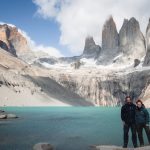
After hours of driving along the partly rough Ruta 40 and through the seemingly endless Patagonian steppe, the first peaks appear on the horizon, and our excitement begins to build. Excitement for El Chaltén - Argentina’s outdoor paradise and a place that, with its spectacular surroundings, has long been on our bucket list. The small village on the edge of Los Glaciares National Park in Patagonia attracts hikers, adventurers, nature lovers, and professional mountaineers alike. Surrounded by rugged peaks, turquoise glacial lakes and lagoons, as well as several larger and smaller glaciers, El Chaltén is considered the hiking and climbing mecca of Patagonia.
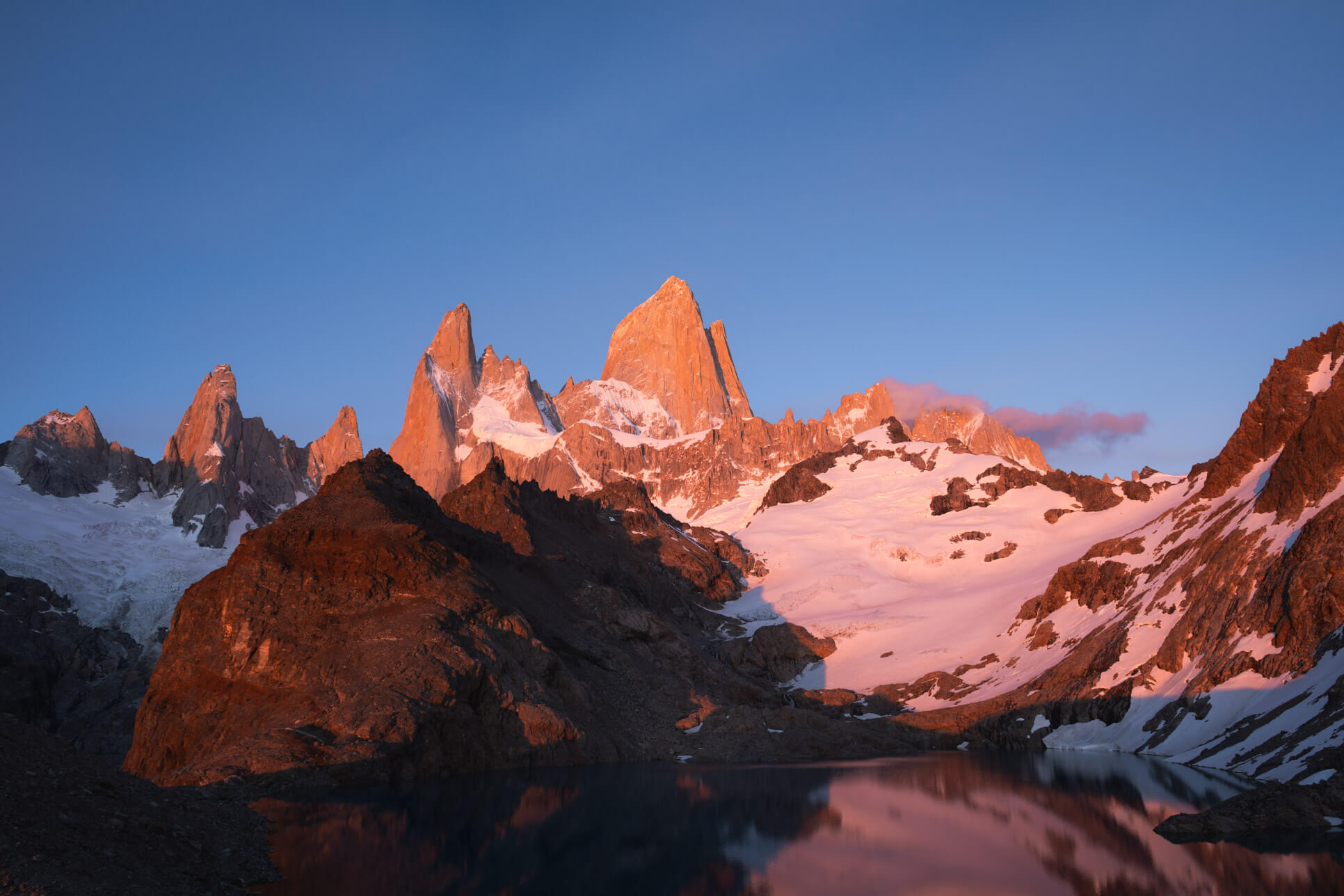
The most famous hike leads to Laguna de los Tres,, where you’re rewarded with a spectacular view of the mighty Fitz Roy massif . But El Chaltén has so much more to offer: whether it’s a leisurely day hike, challenging mountain tours, climbing, mountain biking, or alpine sports - every outdoor enthusiast will find their perfect adventure here.
It’s no wonder that El Chaltén is one of the most visited destinations in South America and a must-stop on almost every Patagonia itinerary. Despite the many tourists, the small village immediately won us over with its warm atmosphere and breathtaking nature. We spent a full two weeks exploring this part of Los Glaciares National Park. In this post, we’ll share our highlights, tips, and why you should definitely visit El Chaltén too.
In this article
Los Glaciares National Park and the Southern Patagonian Ice Field
The Los Glaciares National Park is one of the most spectacular areas in Patagonia. It is located in southern Argentina, in the province of Santa Cruz, and was declared a UNESCO World Heritage Site in 1981. The park covers an area of more than 7,200 km² and is home to several smaller glaciers as well as three major ones: the Upsala Glacier, the Viedma Glacier, and the Perito Moreno Glacier. The latter is one of Patagonia’s most visited attractions and can be reached from El Calafate. In addition to the Perito Moreno Glacier, the park is especially known for its two striking peaks, Fitz Roy and Cerro Torre, which are popular destinations for mountaineers.
The national park protects part of the Southern Patagonian Ice Field. Covering an area of around 13,000 km² it is, after Antarctica and the Greenland ice field, the third-largest continuous ice field on Earth. The ice field feeds more than 40 glaciers and is considered the largest freshwater reservoir in South America. To the south, Los Glaciares National Park borders Chile’s Torres del Paine National Park , which also protects part of the Southern Patagonian Ice Field.
Entrance and national park fees in Los Glaciares National Park
For a long time, entry to Los Glaciares National Park was only charged in El Calafate. However, since November 2024, an entrance fee must also be paid in El Chaltén.
If you plan to stay in El Chaltén for several days and want to do multiple hikes, the Flexipass is worthwhile - it gives you access to all trails for either 3 or 7 days.
You can find an overview of the current prices here, and you can also purchase the tickets online directly.
Getting to El Chaltén - Routes to Patagonia’s Outdoor Paradise
El Chaltén is located in the northern part of Argentina’s Los Glaciares National Park. Despite its remote location, the town is relatively easy to reach. However, the distances are long, so you should plan enough time for both your arrival and departure.
To/from El Calafate – Bus, Car, or Camper
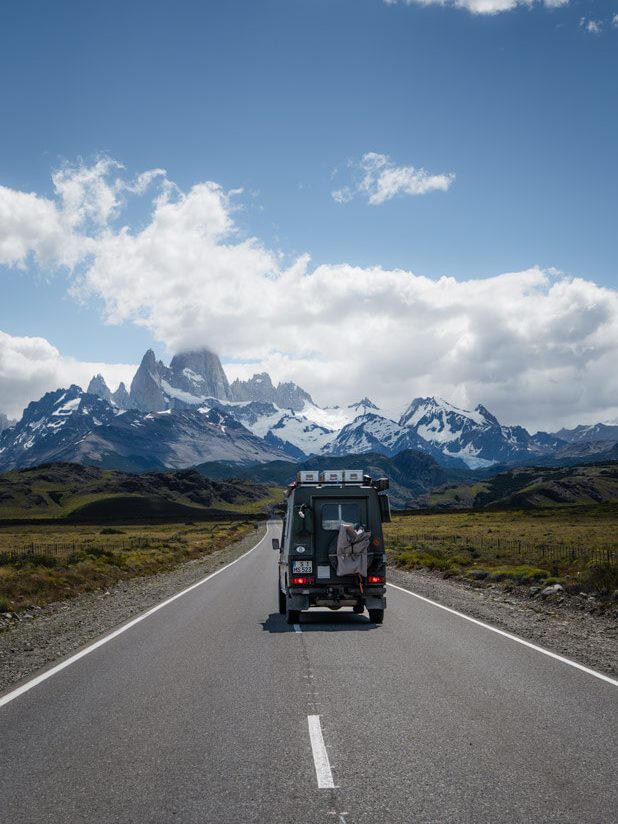
The most common starting point for a trip to El Chaltén is El Calafate. There is a small airport there, so you can conveniently arrive by plane.
- Distance from El Calafate to El Chaltén: approximately 220 km
- Transport: There are daily bus connections from El Calafate. The most common bus companies are Caltur, Chaltén Travel, and TAQSA. You can find current schedules and prices on their respective websites. Since prices in Argentina can change relatively quickly due to inflation, it’s best to check the latest rates directly with the providers.
- Travel time: approximately 3 hours
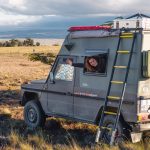
Alternatively, you can also rent a car or a camper in El Calafate and drive to El Chaltén yourself. There are various rental providers available. The route is generally passable, although the condition of Route 40 varies from good to poor. During the high season, campers in Patagonia are in high demand, so you should book well in advance.
Other ways to get to El Chaltén
In addition to El Calafate, you can also reach El Chaltén from other cities. However, the route to the north is very long. The next larger town, Perito Moreno, is over 600 kilometers away. If you travel this route, it’s worth making a detour to Perito Moreno National Park, which, by the way, has nothing to do with the glacier of the same name near El Calafate.
To the south, you eventually reach Chile and the famous Torres del Paine National Park. From Puerto Natales in Chile, it’s about 400 kilometers to El Chaltén.
A good overview of the various arrival and departure options can be found here.
Accommodation, meals, and practical information
Staying in El Chaltén – Hotels, Hostels, and Camping
As diverse as the visitors to El Chaltén are, the accommodations are equally varied. They are available in all price ranges. What is lacking, however, is a truly good campsite. Some hotels and hostels offer the option to camp in their gardens, but this is expensive and provides very little service for your money.
For campers, the parking lot on the other side of the street from the visitor center is suitable. You can stay there for free, there is a pit toilet, and you can get water at the information center. There is a place for recycling and emptying your camping toilet directly to the right after the town entrance. You can find info on iOverlander. Some hostels/hotels offer a shower for a small fee. For this, it's also best to check iOverlander for current information.
Food and shopping in El Chaltén - Restaurants & Supermarkets
Since El Chaltén is very touristy, there are countless restaurants are offering Argentine and international cuisine. Vegetarian and vegan options are also relatively easy to find. Good bread, sweet pastries, and snacks can be found at the Banneton bakery.
In town, there is a small supermarket where you can get the essentials. Additionally, there is a small health food store with fruits and vegetables, snacks, and vegan products: Puentes Amarillos Tienda Natural.
Practical travel tips for El Chaltén – Money, Fuel & Internet
- Fuel: There is a small gas station at the town entrance. It does not always have gasoline or diesel, so you shouldn’t rely on it entirely. If fuel is available, wait times can be long.
- Money: El Chaltén does not have reliable access to cash. While there are ATMs, ATMs in Argentina rarely worked for us. There is a relatively new Western Union branch, but you shouldn’t count on it having cash available. You can exchange dollars, for example, at the supermarket and some other stores. It’s best to carry enough cash with you. For up-to-date information on cash availability, checking the iOverlander app is recommended.
- Mobile & Internet: There are some Wi-Fi spots in El Chaltén. The mobile network coverage at the time of our visit was so poor that it was practically non-functional. Unless this has changed since then (I couldn’t find information), you shouldn’t rely on mobile coverage.
- Equipment rental: In Chaltén, there are various outdoor stores and tour operators that rent equipment. You can rent tents, shoes, trekking poles, or even mountain bikes. The stores also sell gas cartridges and camping food.
In our article on the best information sources and travel apps , you’ll find additional tips that could also be useful for your trip to El Chaltén.
Best time to visit El Chaltén and Patagonia
In general, El Chaltén can be visited year-round. However, for outdoor activities like hiking and alpine tours, the summer months and the so-called shoulder seasons are particularly suitable.
High season in El Chaltén (December-February) - ideal hiking weather
The high season in El Chaltén is during the summer months from December to February. During this time, conditions are best for all kinds of outdoor adventures and activities. The days are long, temperatures are generally pleasant, and the weather is somewhat more stable.
Low season (October/November & March/April) - quieter months
In spring (October/November) and autumn (March/April), El Chaltén is noticeably quieter. This time is ideal if you want to avoid the crowds. Temperatures can already be significantly cooler, and some accommodations, restaurants, or services may already be (or still be) closed.
Weather in Patagonia – what you need to know for El Chaltén
No matter when you travel, the weather in Patagonia is unpredictable. It’s not uncommon to experience all four seasons in a single day. Sunshine, strong winds, rain, and even snow showers often alternate hourly. Even we experienced light snowfall in the middle of summer. So be sure to pack weatherproof clothing and a good dose of flexibility.
The most beautiful hikes in El Chaltén
Day hikes in Los Glaciares National Park
Laguna de los Tres – The Famous Fitz Roy Hike
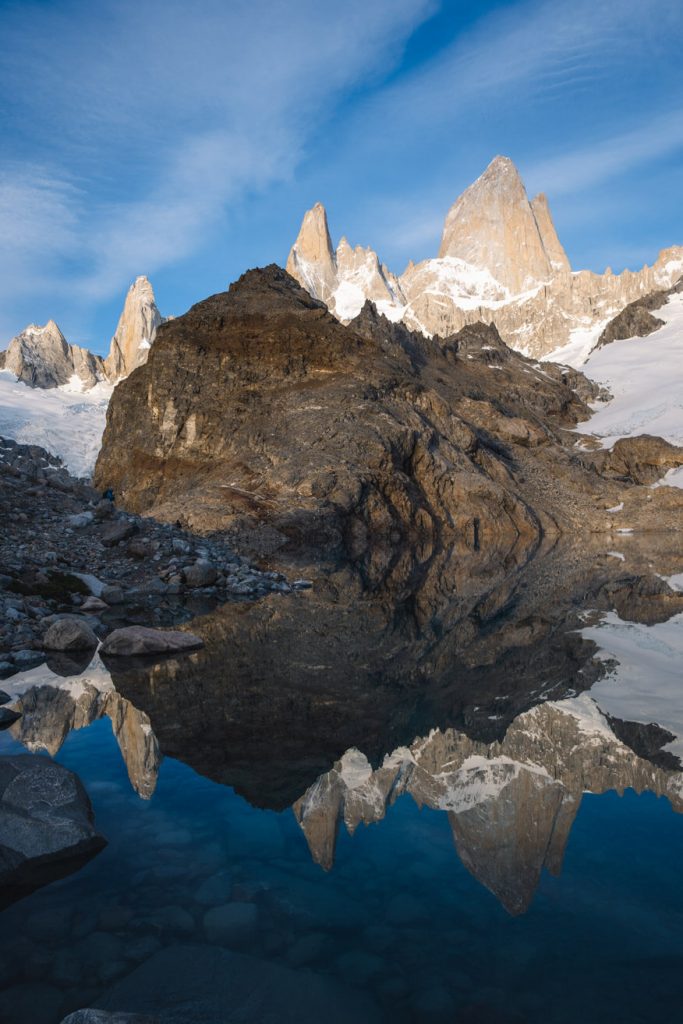
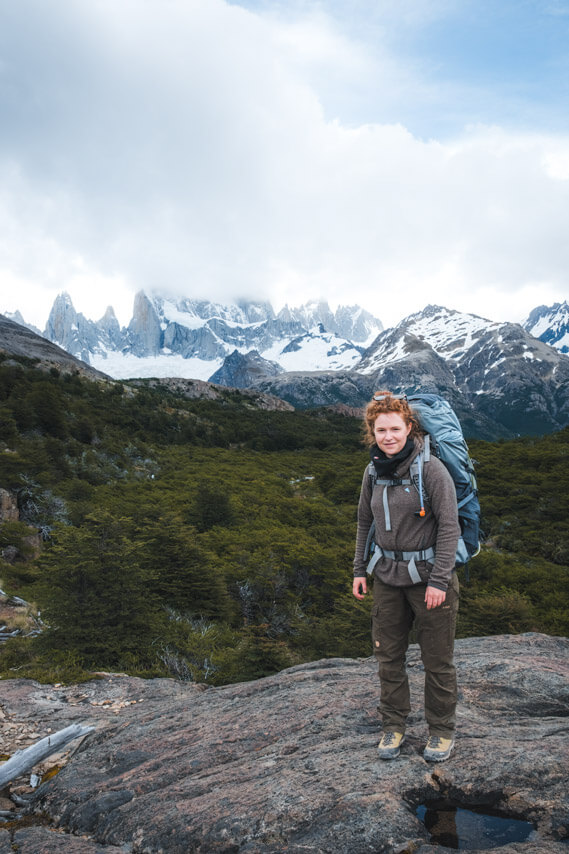
The hike to Laguna de los Tres is by far the most famous and popular tour in El Chaltén. It’s the closest you can get to the impressive Fitz Roy massif without alpine equipment. The view of the three distinctive peaks from the edge of the turquoise lagoon is breathtaking and ranks among the most spectacular panoramas in South America.
The entire route is about 20.2 kilometers long (round trip) and is a challenging hike. The final section is particularly tough: over the last kilometer, you’ll gain 400 meters in elevation. The trail is steep, well walked, and requires good fitness and surefootedness. Make sure to allow plenty of time and start early. The trailhead is located at the end of San Martín, the main street in El Chaltén.
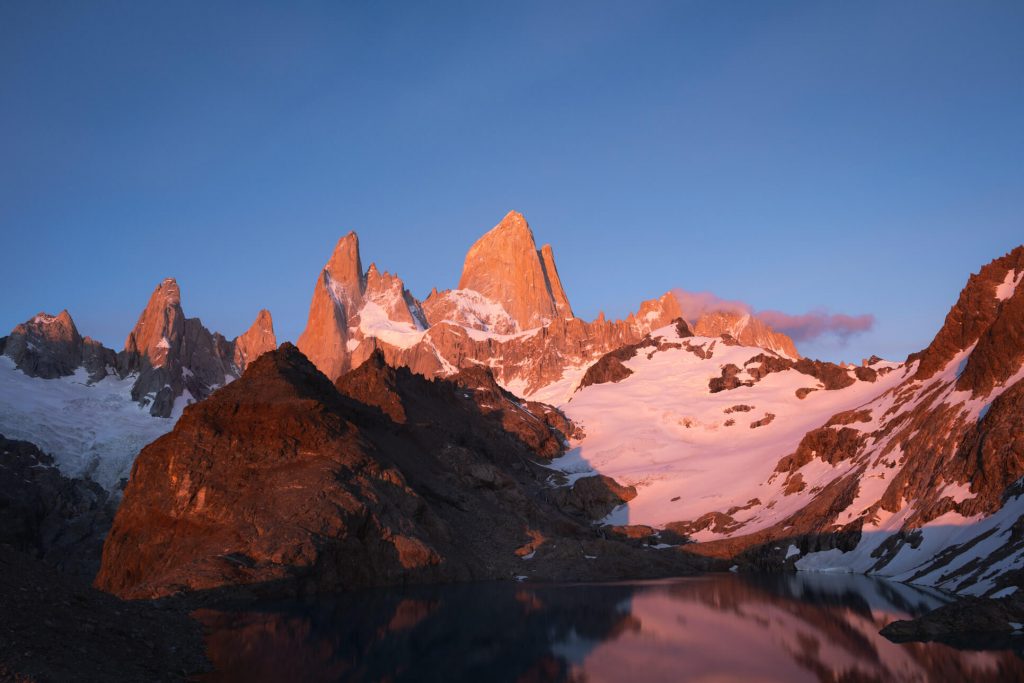
An absolute highlight is sunrise at Laguna de los Tres, when the first rays of sunlight bathe the Fitz Roy massif in glowing shades of orange and red.
To witness this natural spectacle, you’d have to start your hike very early, especially in summer. A better option is to spend a night at the Campamento Poincenot campsite. From there, it’s only about two kilometers to the lagoon, allowing you to reach it for sunrise without too much rush. However, don’t underestimate how cold it can get at night—make sure to bring a warm sleeping bag.
Tour info:
Duration: approx. 8–9 hours
Distance: 21 km (round trip)
Elevation gain: 920 m
Difficulty: difficult
Laguna Torre – up close to Cerro Torre
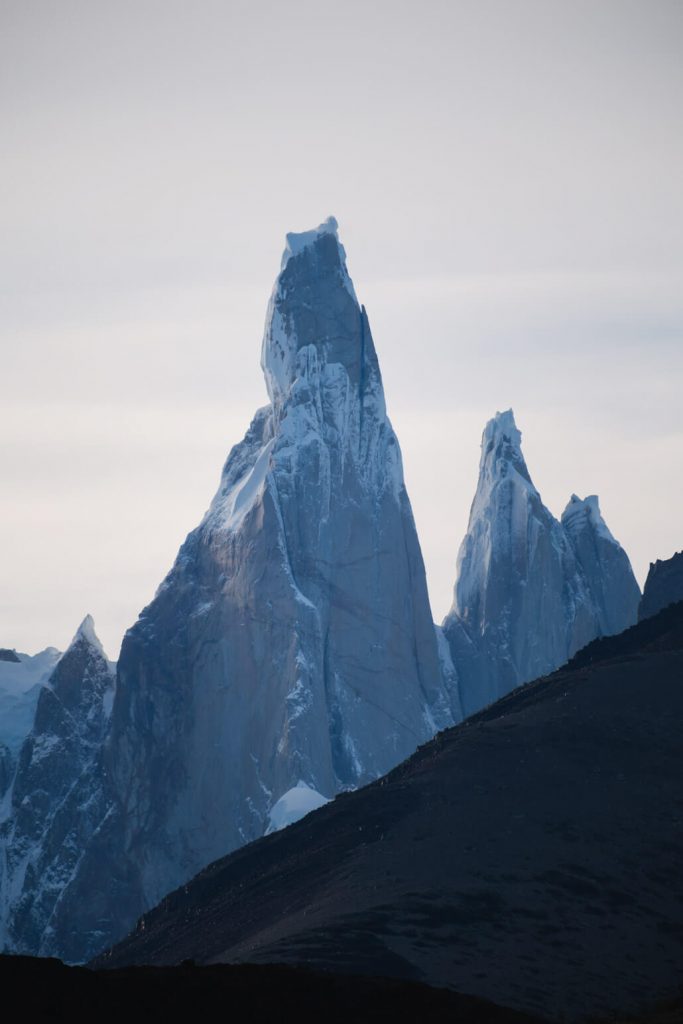
Der markante Cerro Torre galt lange Zeit als unerklimmbar. Noch heute gilt aufgrund seiner steil aufragenden, glatten Granitwände, die im oberen Teil oft mit Raureifeis bedeckt sind, sowie der meist widrigen Wetterbedingungen, als einer der schwierigsten Gipfel der Welt. Nur eine handvoll Bergsteiger schaffen es jedes Jahr bis ganz nach oben. Häufig versteckt sich die schmale Granitnadel tagelang hinter dichten Wolken. Wenn der Himmel aufklart, solltest du die Gelegenheit unbedingt nutzen und die Wanderung zur Laguna Torre unternehmen. Es könnte die einzige Gelegenheit für die nächsten Tage sein.
Compared to the hike to Laguna de los Tres, the tour to Laguna Torre is less steep. At around 18 kilometers (round trip), however, it is still long and physically demanding.
The tour starts in the west of El Chaltén, not far from the main street. Shortly after the start, the first ascent begins, gaining about 250 meters over the first 4 kilometers. Once you’ve overcome this, most of the trail runs through relatively flat terrain. With a bit of luck, you’ll have a view of the mighty Cerro Torre for almost the entire hike.
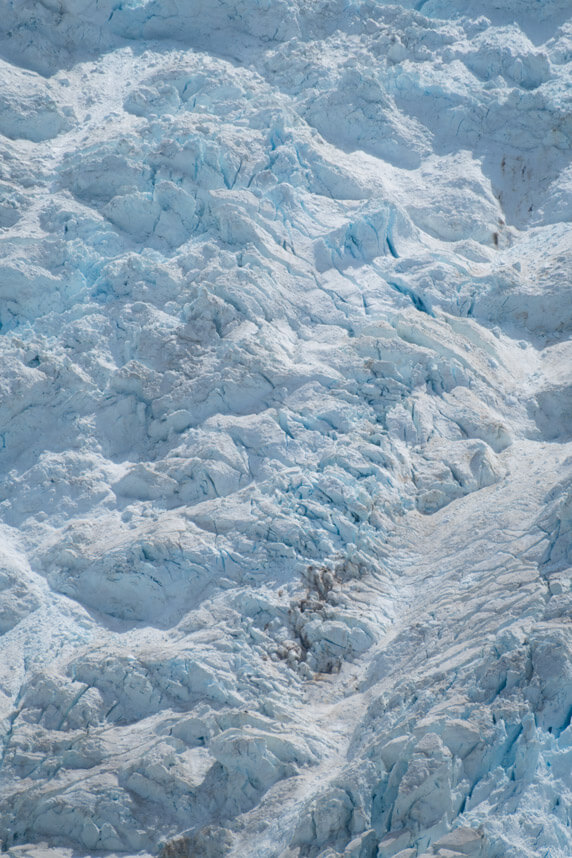
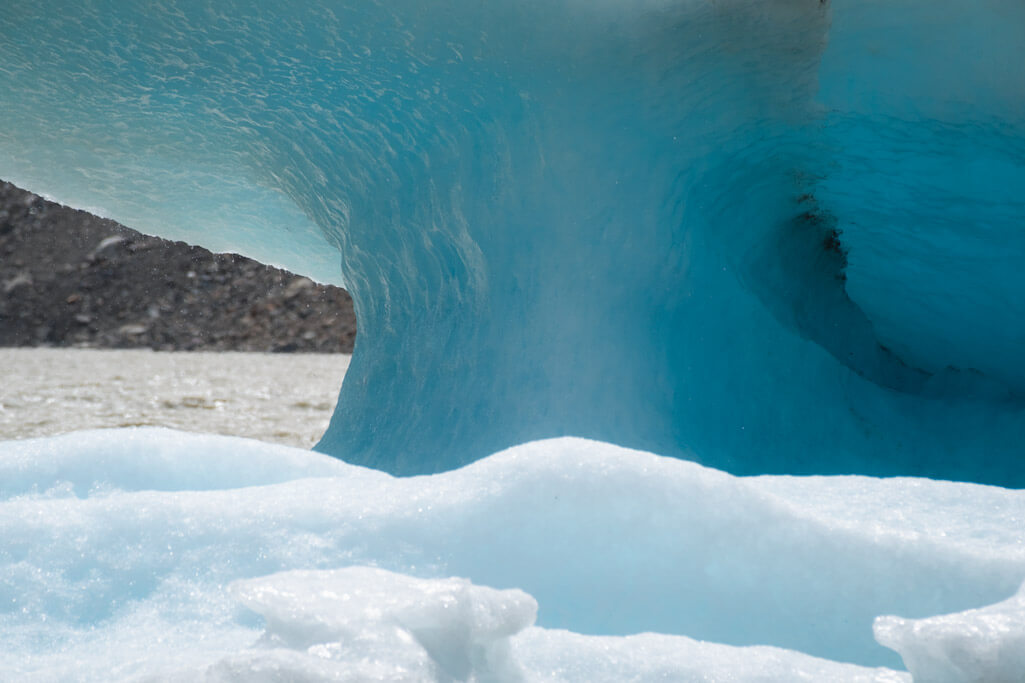
The final stretch to the lagoon ascends gently over a scree slope. Beyond it lies Laguna Torre, shimmering turquoise with small icebergs, with the glacier and the striking peak of Cerro Torre in the background. The return trip follows the same route.
If you want to experience sunrise at Laguna Torre, it’s recommended—just like for the hike to Laguna de los Tres—to spend the night at the Campamento De Agostini campsite. From there, you can reach the lagoon early in the morning with ease and enjoy the first rays of sunlight over the water.
Tour info:
Duration: ca. 6-7 hours
Distance: 18 km (round trip)
Elevation gain: 400 m
Difficulty: medium
Loma del Pliegue Tumbado – 360-degree panoramic view
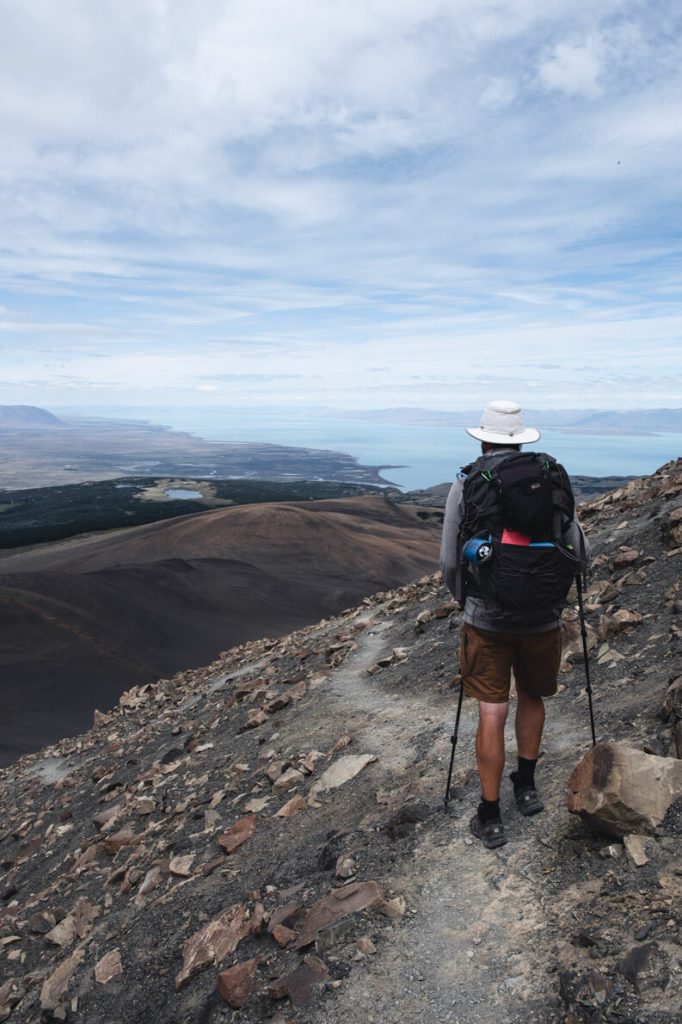
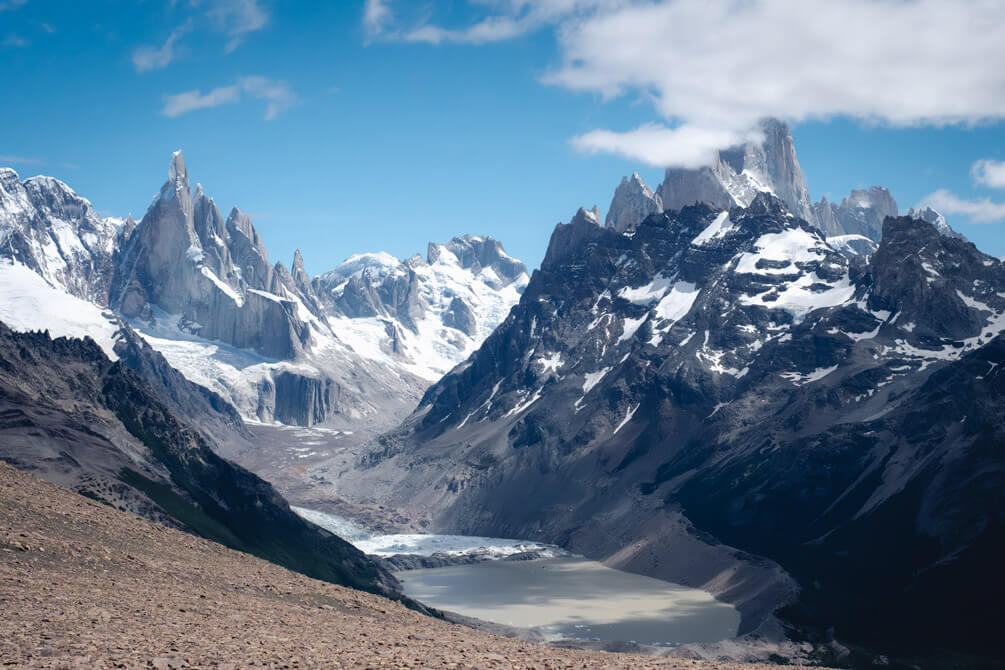
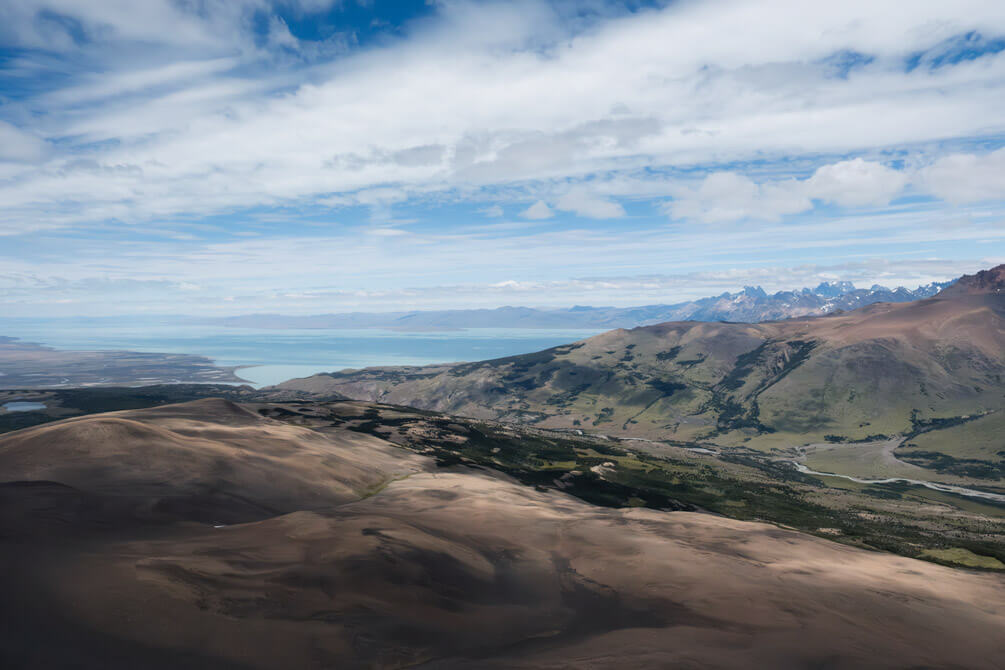
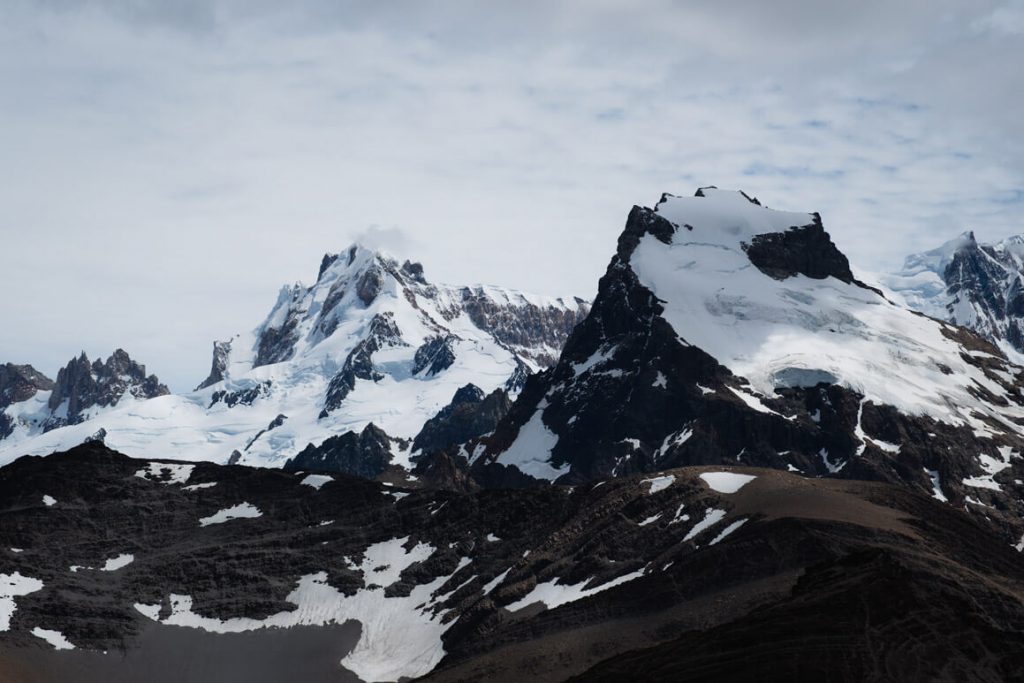
Loma del Pliegue Tumbado is often underestimated but is one of the most impressive and beautiful hikes in El Chaltén. The view from the lookout is among the most stunning panoramas in Los Glaciares National Park, and from the summit, you can enjoy a spectacular 360° panorama of Fitz Roy, Cerro Torre, the surrounding glaciers, and on the other side, the vast expanse of the Patagonian steppe and Lago Viedma.
The hike to Loma del Pliegue Tumbado starts at the National Park Visitor Center and is well marked. The approximately 18-kilometer route (round trip) takes you through a varied landscape: lush green forests, open meadows, gentle hills, and in the final section, a barren scree slope marking the last ascent.
Although you gain a total of about 1,000 meters in elevation, the ascent is evenly spread over the roughly 9 kilometers. The trail climbs continuously but never extremely steeply. This makes the hike somewhat easier than the trek to Laguna de los Tres, but it still requires good fitness, surefootedness, and endurance, especially in the final section.
The official viewpoint, “Mirador Loma del Pliegue Tumbado,” is located just below the summit and already offers an impressive view of Fitz Roy, Cerro Torre, and the surrounding glaciers.
If the weather is good and you still have energy left, we highly recommend the additional ascent to the summit of Loma del Pliegue Tumbado. It lies about 150 meters above the viewpoint. The path is not officially marked but is often used and therefore clearly visible. The final climb is steep and goes over loose scree, so you should wear sturdy footwear and be surefooted.
Tour info:
Duration: 6–7 Stunden (ohne Gipfel)
Distance: 18 km (round trip)
Zusatzzeit für Gipfel: ca. 1-2 Stunden
Höhenmeter: ca. 1000 m
Difficulty: medium
Fitz Roy & Cerro Torre Combined Tour – Three Days, Two Nights Trekking
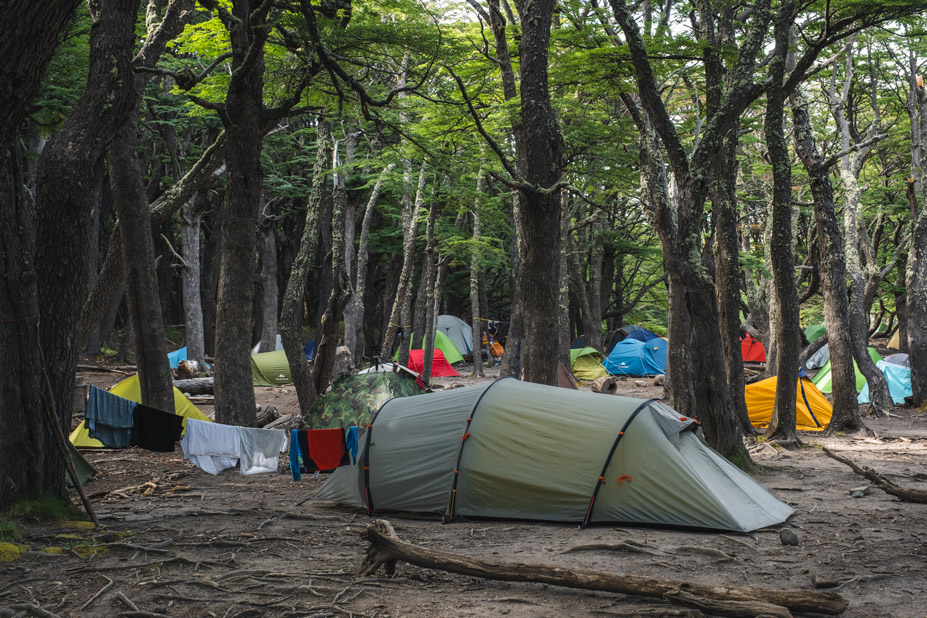
If you’re up for a small trekking adventure in Patagonia, you can wonderfully combine the two most famous hikes around El Chaltén, Laguna de los Tres and Laguna Torre. You can start the circuit with either Laguna Torre or Laguna de los Tres. Instead of returning to El Chaltén after the hike, you can take the connecting trail between the two lagoons. This section mostly passes through flat, open terrain with wide views, is well marked, and relatively easy. Make sure to bring good camping gear and, above all, a warm sleeping bag, as it can get very cold at night.
Short hikes & half-day tours around El Chaltén
The following two hikes are short, easy, and still rewarding. They are ideal if you have limited time, for example on arrival or departure days, or if you want to test your gear before a longer trek. Both hikes start at the Los Glaciares National Park Visitor Center at the entrance to El Chaltén and offer beautiful panoramic views of the surrounding landscape.
Mirador de los Cóndores – viewpoint overlooking El Chaltén
The hike to Mirador de los Cóndores is one of the most popular short tours in El Chaltén. The viewpoint gets its name because Andean condors often soar overhead here.
The well-developed and marked trail climbs about 155 meters over roughly 1.5 kilometers (one way) to the viewpoint. At the top, you’ll enjoy a fantastic view of El Chaltén, the Fitz Roy massif, and the surrounding peaks. With a bit of luck, you may also spot condors here.
The trailhead is located directly at the Visitor Center at the entrance to town. After a few hundred meters, the path splits: to the left, it leads to the Cóndores and Águilas viewpoints, and to the right, the hike to Loma del Pliegue Tumbado begins.
Tour info:
Distance: ca. 3 km (round trip)
Duration_ 1-1,5 hours
Difficulty: easy
Mirador de las Águilas – view of Lago Viedma and the steppe
Mirador de las Águilas is a nice complement to Mirador de los Cóndores. You can easily combine both hikes. On the return from Mirador de los Cóndores, after about ten minutes, turn onto the trail to Mirador de las Águilas. The path is mostly flat and leads to a viewpoint with impressive views of the Patagonian steppe and Lago Viedma.
Tour info:
Distance: ca. 4 km (round-trip, including Mirador Cóndores)
Duration: ca. 2 hours
Difficulty: easy
Chorrillo del Salto – hike to the waterfall
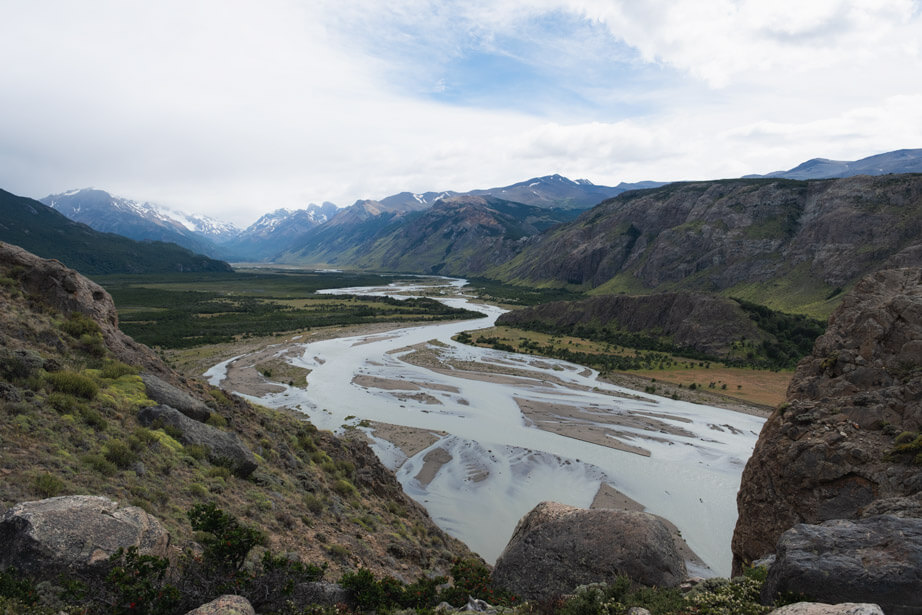
Chorrillo del Salto is also one of the most popular excursions in El Chaltén. The roughly 20-meter-high waterfall plunges into a turquoise pool amid a small forest. The trail starts at the end of San Martín, the main street, and initially follows the gravel road leading out of town. You’ll walk consistently alongside the turquoise Río de las Vueltas. After about one kilometer, a narrow path branches off from the road, taking you through a wet meadow and a small forest until you reconnect with the road. From there, it’s only a few minutes to the waterfall. The route is about 3 kilometers one way, mostly flat, and easy to walk.
Tour info:
Distance: ca. 6 km (round trip)
Duration: 2-3 hours
Difficulty: easy
Laguna Capri – easy hike with a view of Fitz Roy
The hike to Laguna Capri is one of the most beautiful short tours around El Chaltén and offers an impressive view of Fitz Roy—without the steep final ascent to Laguna de los Tres.
The trail to the lagoon initially follows the same route as the hike to Laguna de los Tres. The trailhead is also at the parking lot at the end of San Martín, the main street. The path starts off relatively steep, and after about 700 meters, you reach the Río de las Vueltas viewpoint. From there, the trail passes through a forest before reaching the idyllic Laguna Capri after roughly two hours. The lagoon is just a few meters off the main path and offers a stunning panoramic view of the Fitz Roy massif.
Tour info:
Distance: ca. 8 km (round trip)
Duration: ca. 4 hours
Difficulty: easy to medium (short steep ascent at the beginning)
Multi-day hikes in El Chaltén
Huemul Circuit – Patagonia adventure for experienced trekkers
The Huemul Circuit (Spanish: Vuelta al Huemul) is considered one of the most spectacular multi-day hikes in Patagonia and is also one of the most challenging. The circuit takes about four days and passes through remote areas of Los Glaciares National Park, offering breathtaking views of the Southern Patagonian Ice Field and the surrounding mountains.
We didn’t do the hike ourselves due to my knee problems, but we’ve heard a lot of positive feedback from many other trekkers.
The Huemul Circuit takes about four days, during which you must carry all your gear and supplies yourself. The route should not be underestimated; for safety reasons, it is mandatory to register with the rangers at the National Park Visitor Center in El Chaltén before starting the hike. There, you’ll also receive up-to-date information on weather, river levels, and trail conditions.
Ausführliche Informationen und Erfahrungsberichte findest du z. B. hier: La Vuelta del Cerro Huemul hike
More than just hiking – activities in and around El Chaltén
Although most tourists probably come to El Chaltén for the hikes, the small town and its stunning surroundings have much more to offer.
Climbing in El Chaltén
El Chaltén is not only a dream destination for hikers but also a well-known climbing area. The granite walls around Fitz Roy and Cerro Torre attract climbers from all over the world, ranging from experienced alpinists to recreational climbers who mainly tackle the easier routes near the town.
Important: It’s best to bring your own climbing gear. While you can easily rent hiking and camping equipment at the outdoor shops in El Chaltén, there is no rental for climbing equipment such as ropes, harnesses, or helmets—at least not when we were there. We don’t know if that has changed since.
Mountain biking in El Chaltén
The surroundings of El Chaltén are also perfect for exploring by mountain bike. Around the town, you’ll find gravel roads and trails that take you through stunning landscapes. Several local providers rent out mountain bikes and can give you tips for tours. You can usually spot the rental shops by the bikes displayed outside.
Kajak & Stand-up-Paddling:
If you prefer being on the water, you can go kayaking on Lago del Desierto, about 37 km north of El Chaltén. The lake is nestled between dense forests and glaciers, offering a breathtaking backdrop. Tours and rentals are offered by local agencies in town, which can also help organize transportation to the lake.
Alpine tours, glacier trekking, and ice climbing
For those who enjoy alpine activities, want to do glacier tours, and have the necessary experience, the national park offers countless opportunities. If you’re new to this, you can gain your first alpine experience through a course. For anyone looking to get a taste of alpine terrain, local agencies in El Chaltén offer various courses and guided tours with certified mountain guides. We haven’t participated in any of these courses ourselves, so we cannot comment on their quality.
Conclusion – Why El Chaltén in Patagonia is truly worth visiting
We thoroughly enjoyed El Chaltén. Not only are the hikes and the breathtaking landscape absolutely stunning, but the local organization is also excellent. From well-marked trails and the very informative, helpful national park visitor center to a good selection of restaurants and outdoor shops in town, everything is well set up.
Compared to the famous Torres del Paine National Park in Chile, we found El Chaltén even more impressive, even though it can also get crowded. This is partly due to the wide variety of short and long hikes, as well as the overall good and diverse outdoor offerings. There’s truly something for everyone here. We spent a total of two weeks in the area and still would have had plenty left to do afterward.
Additionally, despite the crowds, El Chaltén stands out for its relaxed and friendly atmosphere. The visitor center staff are very welcoming, the rangers are helpful, and they take the time to answer questions or give route tips. In terms of cost, El Chaltén is also significantly cheaper than Torres del Paine, although prices are, of course, still above the usual level in Argentina.
Wir finden, El Chaltén lohnt sich auf jeden Fall und es ist also das perfekte Ziel für alle, die Patagonien aktiv erleben möchten.
FAQ – the most important questions about your visit to El Chaltén
Most travelers reach El Chaltén via El Calafate, which has the nearest airport. From there, buses run several times a day (about 3 hours) to El Chaltén. Alternatively, you can drive yourself, as the road is paved.
The most popular hikes include Laguna de los Tres, Laguna Torre, Loma del Pliegue Tumbado, Laguna Capri, Mirador de los Cóndores, and Mirador de las Águilas, as well as Chorrillo del Salto. For experienced trekkers who enjoy multi-day tours with their own tent, the Huemul Circuit is also an option.
Yes. There are several campsites along the hiking trails within the national park. In town, some hotels and hostels also offer camping in their gardens.
The best time for hiking is from November to March, during the Patagonian summer. Days are long and temperatures are mild (10–20 °C), though the weather can still be very unpredictable.
The weather is typically changeable, windy, and unpredictable—classic Patagonian conditions. You can experience sun, rain, and snow all in one day. Good clothing and layering are essential.
Yes, there are several outdoor shops in El Chaltén where you can rent tents, sleeping bags, mats, stoves, trekking poles, and more. It’s best to check in advance to ensure that the items you need are available.
El Chaltén is a tourist destination, so prices are above the typical level in Argentina. However, it is still somewhat cheaper than Torres del Paine.
There is Wi-Fi in cafés and accommodations, but the connection is often slow and unreliable. Mobile reception is only partial. Offline map apps like Maps.me or AllTrails are recommended.
Yes, El Chaltén is considered very safe. Crime is extremely rare. The main risks come from unprepared hikes or sudden changes in the weather.
Yes, the Los Glaciares National Park is home to animals such as guanacos, foxes, condors, and the huemul deer. With some luck, you might spot them during a hike. Be sure to keep a safe distance.
Das Angebot in El Chaltén ist sehr vielseitig. Du solltest mindestens 3 – 4 Tage einplanen, um die wichtigsten Wanderungen wie Laguna de los Tres und Laguna Torre zu machen. Wer mehr Zeit hat, kann auch kürzere Touren oder andere Aktivitäten machen oder hat die Möglichkeit Schlechtwettertage einzuplanen und auszusitzen.
El Chaltén offers a wide variety of activities. You should plan at least 3–4 days to complete the main hikes like Laguna de los Tres and Laguna Torre. If you have more time, you can also do shorter hikes, other activities, or account for bad-weather days.
Yes, most restaurants and shops accept card payments. If you’re looking for a good travel credit card, we can recommend the DKB Visa Debit card or the Bank Norwegian credit card .
Yes, the town has a small supermarket, bakeries, cafés, and restaurants. For a small town, the selection is relatively good. Outdoor shops sell camping food, and there is even a small organic store offering vegan products.
Since November 2024, there is an entrance fee for the national park in El Chaltén. An overview of the pricing categories can be found here.You can also purchase tickets online.